
In a decision that is drawing both praise and criticism across religious and political circles, Pope Leo XIV has appointed Evelio Menjivar Ayala, a former undocumented migrant from El Salvador, as the new leader of the Wheeling–Charleston Diocese in the United States.
The appointment marks a significant moment for the Catholic Church, not only because of Bishop Evelio’s personal history, but also due to his outspoken views on immigration policy—particularly his criticism of enforcement measures associated with Donald Trump.
Bishop Evelio’s journey to this leadership role is one shaped by hardship, resilience, and faith. As a teenager in El Salvador, he fled violence after surviving a traumatic attack in which soldiers opened fire on his family. His path to safety was neither direct nor easy. According to accounts he has shared publicly, he attempted to cross the U.S. border multiple times before finally succeeding on his third attempt in 1990.
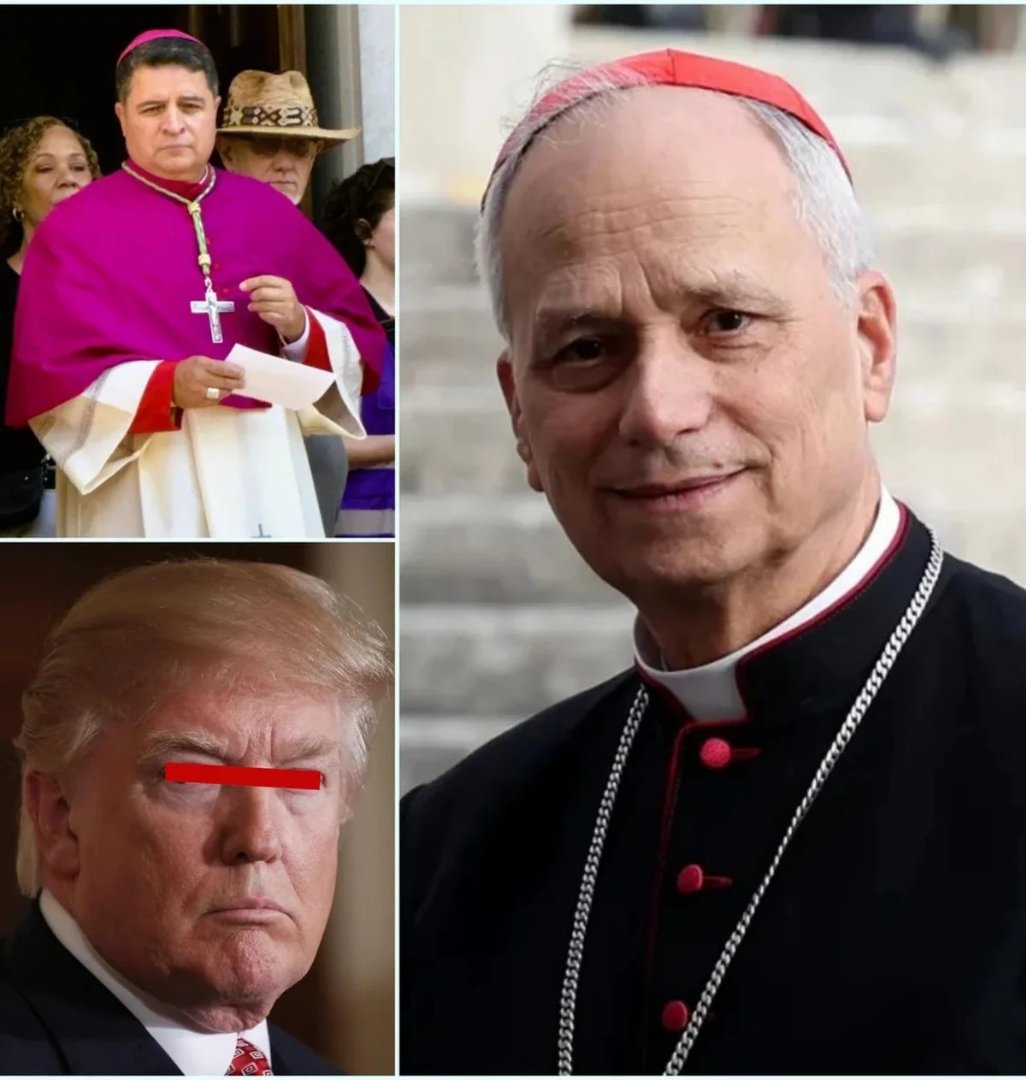
Once in the United States, his early years were marked by the realities faced by many undocumented migrants. Before entering the priesthood, he worked in physically demanding and low-wage jobs, including cleaning and construction. These experiences, he has said, profoundly shaped his understanding of dignity, labor, and the struggles faced by migrant communities.
Over time, he discerned a calling to religious life, eventually becoming a priest and later rising through the ranks of the Church. His appointment as bishop now places him in a prominent leadership position within American Catholicism—one that carries both pastoral responsibility and a broader public voice.
That voice has not been without controversy.
Bishop Evelio has been a vocal critic of immigration enforcement practices in the United States, particularly those carried out by federal agencies. He has described certain actions by immigration authorities as violations of human rights and has warned about what he calls “the dark side of anti-immigrant animus.”
In remarks that have circulated widely, he also addressed Catholics who support strict immigration enforcement policies while professing their faith. “The question is for them,” he said, challenging believers to reflect on the consistency between their religious values and their political positions.
These statements have drawn mixed reactions. Supporters view his perspective as a reflection of core Christian teachings on compassion and justice, while critics argue that his views risk politicizing the Church or undermining the rule of law.
The decision by Pope Leo XIV to elevate Bishop Evelio appears, to many observers, to be a deliberate one. The pontiff has previously had disagreements with Donald Trump on issues related to foreign policy and migration, and his latest appointment is being interpreted as part of a broader pattern.
Analysts suggest that the Pope may be seeking to highlight clergy whose lived experiences and moral perspectives align with the Church’s emphasis on defending the vulnerable—particularly migrants and refugees. In this context, Bishop Evelio’s life story becomes not just a personal narrative, but a symbol of a larger message.
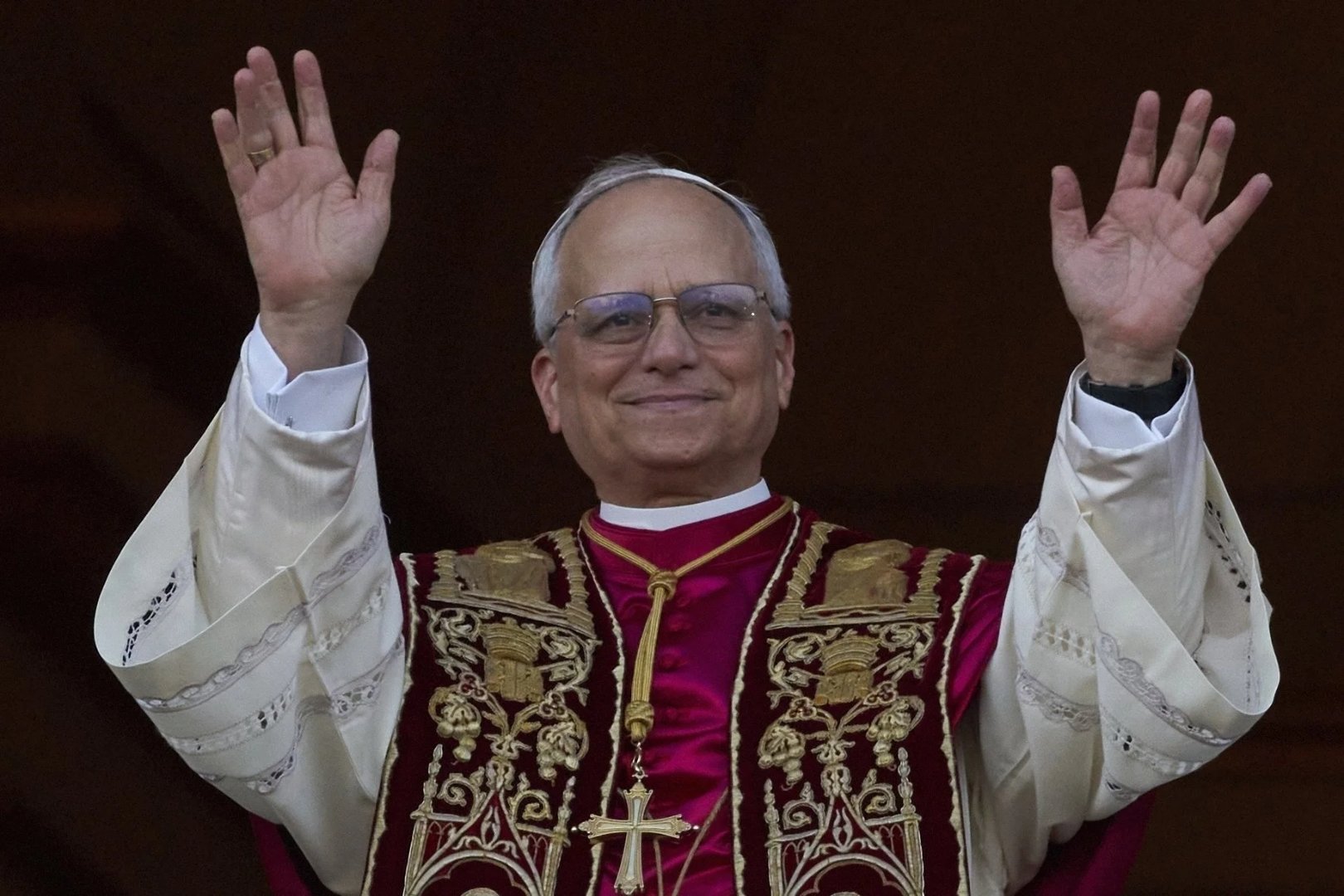
That message, according to many within the Church, is rooted in longstanding theological principles. Catholic social teaching has consistently emphasized the dignity of every human person, the importance of solidarity, and the moral obligation to care for the stranger. By appointing a bishop whose life embodies these themes, the Vatican may be reinforcing its commitment to those values in a highly visible way.
At the same time, the appointment underscores the complex intersection of faith and politics in contemporary society. In the United States, immigration remains one of the most contentious public issues, with deeply divided opinions on enforcement, border security, and humanitarian considerations.
Bishop Evelio now steps into his new role at a time when these debates continue to shape national discourse. As leader of the Wheeling–Charleston Diocese, he will be responsible not only for guiding the spiritual life of Catholics in West Virginia but also for engaging with a broader community that includes diverse perspectives on these issues.
For many, his presence offers a powerful reminder of the human stories behind political debates. His life—from fleeing violence to building a future in a new country—reflects the experiences of countless migrants who have sought safety and opportunity despite immense challenges.
Within the Church, his appointment is being seen by some as a reaffirmation of the Gospel call to welcome the foreigner. References to the idea that Christ himself lived as a refugee have been invoked by supporters who see Bishop Evelio’s leadership as deeply aligned with Christian teachings.
As he begins his tenure, questions remain about how his views will influence his ministry and how they will be received by his new community. What is clear, however, is that his voice will carry weight—not only within the Church but also in the wider conversation about migration, identity, and moral responsibility.
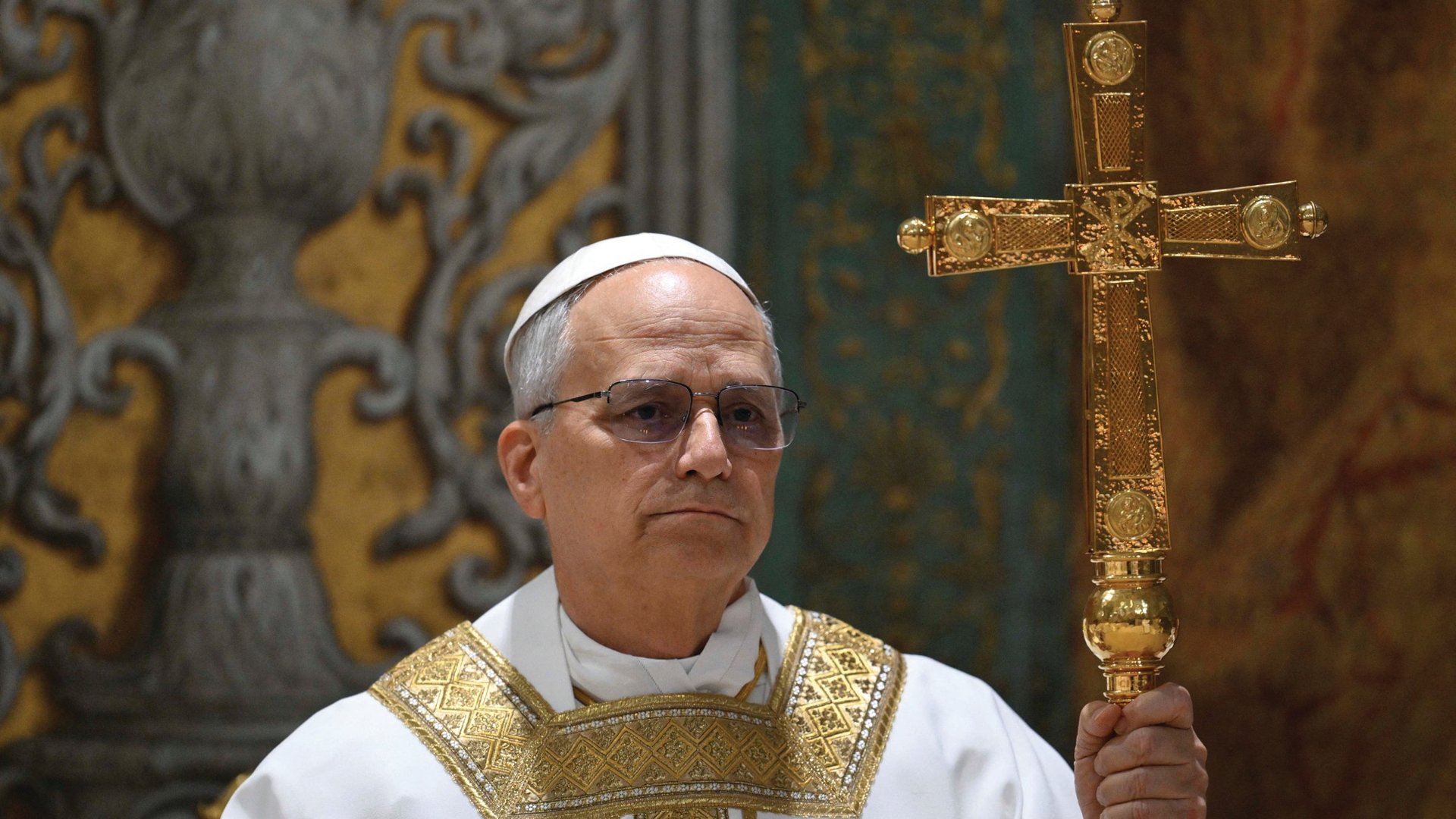
In a time marked by division, his leadership may serve as both a point of tension and an opportunity for dialogue. Whether embraced or challenged, Bishop Evelio Menjivar Ayala’s appointment signals a moment of significance—one that reflects the evolving role of the Church in addressing some of the most pressing issues of the modern world.
