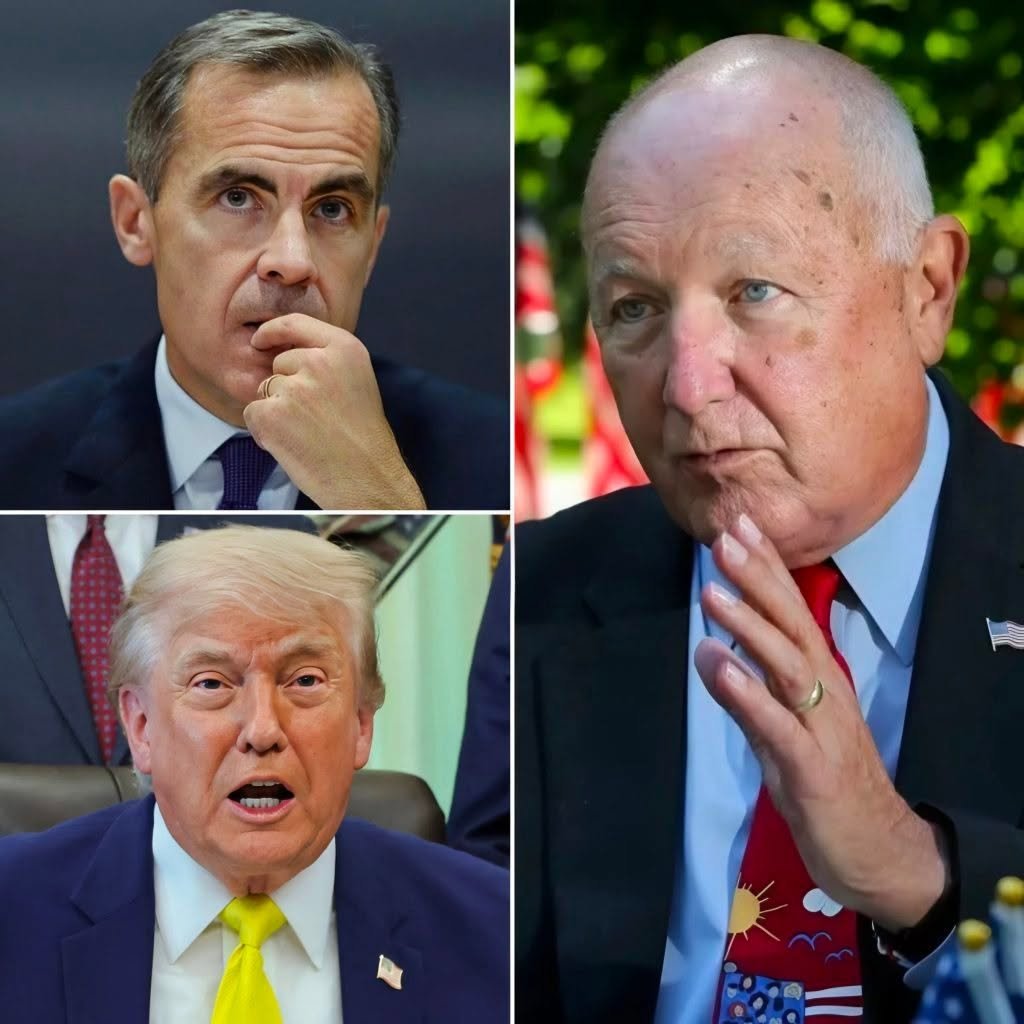
A new diplomatic controversy has surfaced between Canada and the United States after remarks and online activity linked to U.S. Ambassador Pete Hoekstra triggered strong political reactions in Ottawa and across the country.
At the center of the debate is Mark Carney, whose response to growing calls for action has become a focal point in discussions about sovereignty, diplomacy, and economic strategy.
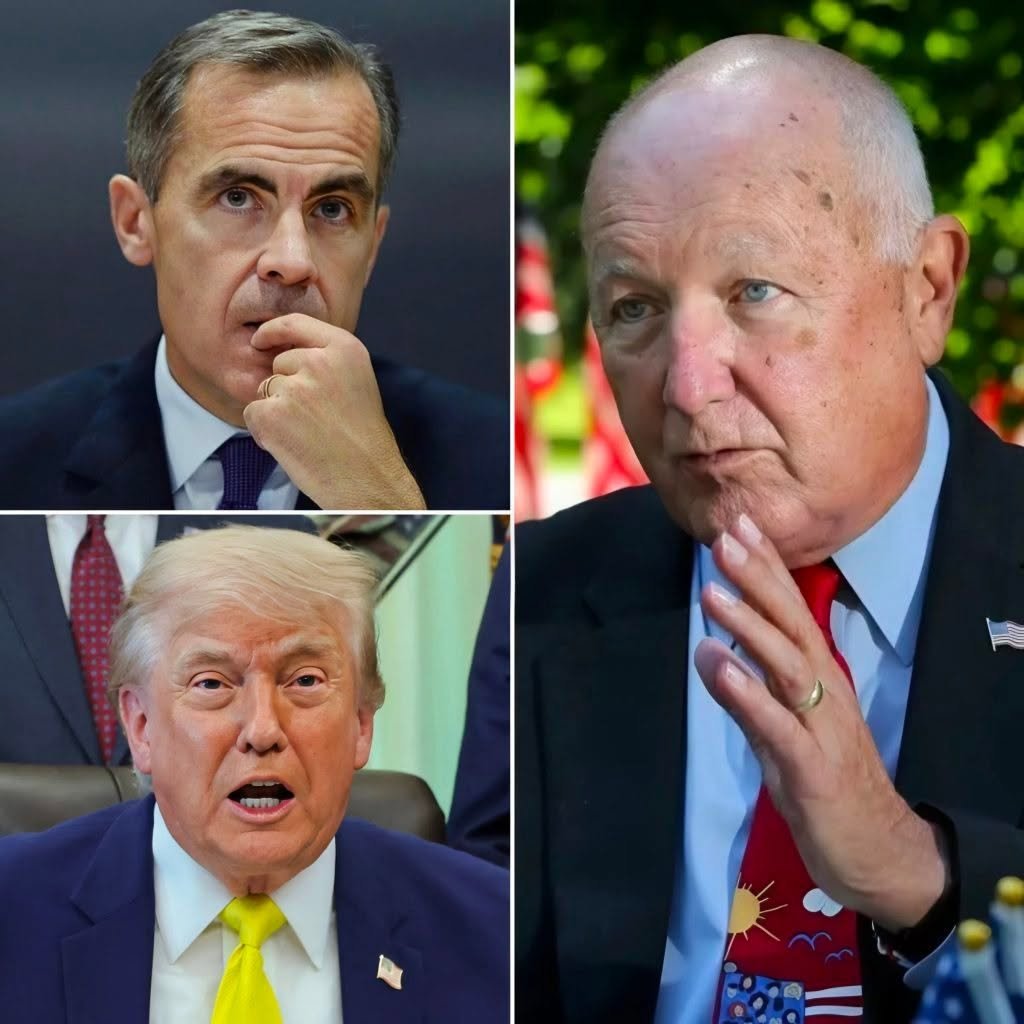
The controversy began after Hoekstra reportedly shared or amplified a social media post associated with former U.S. President Donald Trump suggesting that Canada could become the “51st state,” a claim that immediately sparked backlash in Canadian political and public circles.
The post was widely criticized in Canada as provocative and inappropriate for a sitting diplomatic representative. Within hours, an online petition calling for Hoekstra’s removal reportedly gathered thousands of signatures, reflecting the intensity of public reaction.
However, attention quickly shifted when Prime Minister Mark Carney responded to questions about whether the ambassador should be expelled. His reported answer was brief and direct: “No.”
That single-word response has now become the center of a broader national debate.
Supporters of Mark Carney argue that his decision reflects strategic diplomacy at a critical moment, as Canada enters sensitive negotiations involving the CUSMA trade agreement with the United States and Mexico. The agreement governs hundreds of billions of dollars in annual trade and is considered essential to North American economic stability.
From this perspective, avoiding immediate escalation is seen as a calculated move designed to protect long-term economic interests, even in the face of politically charged incidents.
Carney’s supporters emphasize that diplomatic restraint can sometimes serve national interests more effectively than symbolic retaliation, particularly when major trade negotiations are approaching.
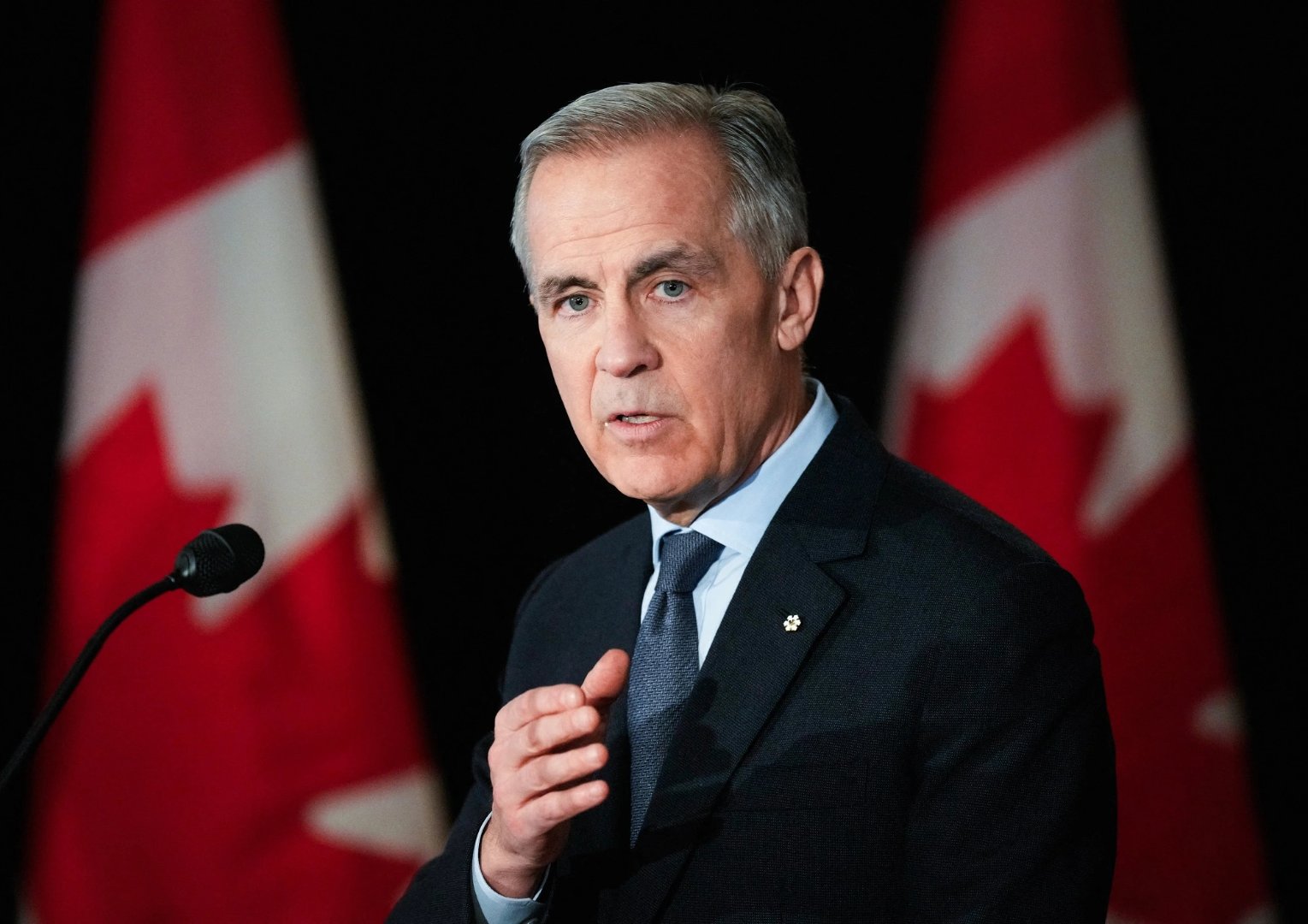
However, critics argue that failing to respond more forcefully risks sending the wrong message. They claim that allowing a diplomatic representative to remain in place after amplifying controversial political messaging could be interpreted as tolerance of disrespect toward Canadian sovereignty.
The involvement of Donald Trump in the original post has further intensified political sensitivities, given his continued influence in U.S. political discourse and trade policy debates.
Opposition voices in Canada have framed the situation as a test of national assertiveness, questioning whether economic considerations should outweigh diplomatic protest in cases involving perceived provocation.
Others, however, caution that diplomatic expulsions are rare and typically reserved for severe breaches of conduct, warning that such actions could escalate tensions and potentially affect broader economic and security cooperation.
Trade analysts note that the timing is particularly sensitive, as Canada, the United States, and Mexico prepare for a formal review of the CUSMA agreement. Any deterioration in diplomatic relations could have consequences for supply chains, investment flows, and cross-border industries.
Within that context, Carney’s decision is being interpreted through two competing lenses: pragmatic statecraft versus excessive restraint.
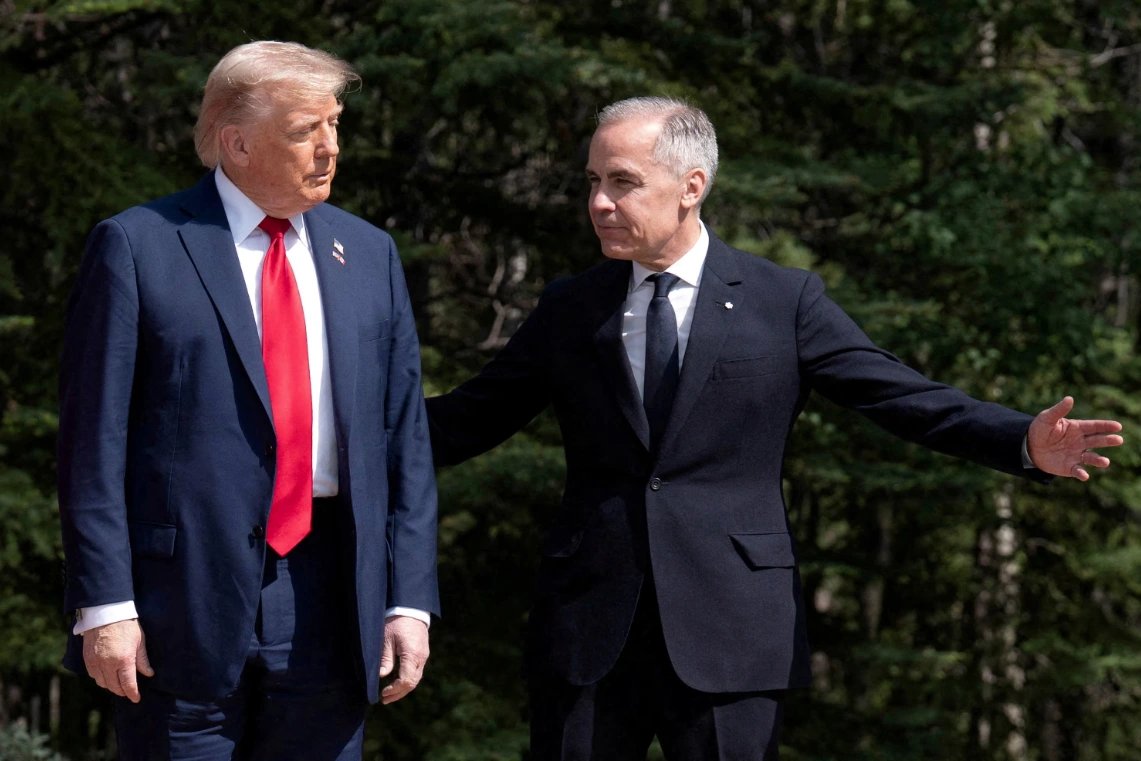
Supporters of his approach argue that leadership sometimes requires absorbing political pressure in order to preserve larger strategic goals. Critics counter that restraint without consequence may weaken diplomatic credibility over time.
Public reaction across Canada has been sharply divided. Some citizens view the situation as a matter of national dignity and expect a stronger response to perceived diplomatic provocation. Others prioritize economic stability and warn against actions that could disrupt trade relationships.
The debate has also extended into commentary circles, where analysts are framing the incident as part of a broader trend of increasingly volatile political communication between allied nations in the digital age.
What is clear is that the situation has placed Mark Carney at the center of a complex balancing act—managing domestic expectations of sovereignty while maintaining stable international economic relations.
As negotiations under CUSMA approach, the political implications of this episode are likely to remain under close scrutiny.
For now, the ambassador remains in place, the controversy remains unresolved, and the debate continues to evolve between principles of diplomatic accountability and the practical demands of international trade.
And in that tension lies the central question now facing Canadian leadership: when does strategic restraint become too costly to sustain?
