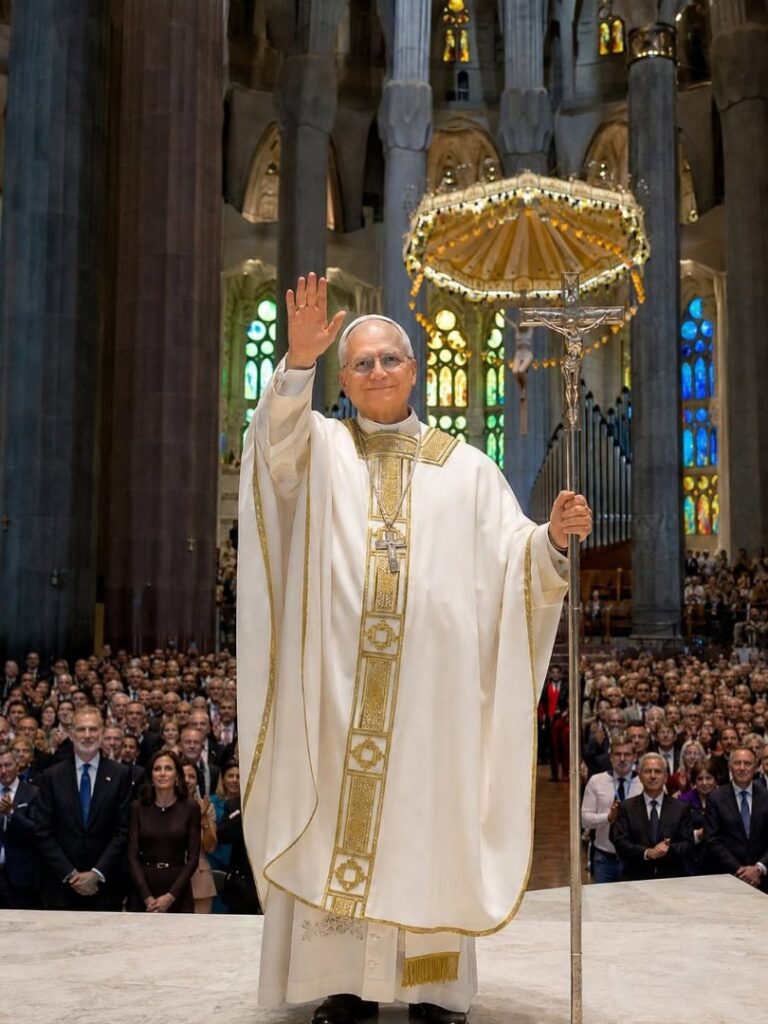
A wave of emotion swept through Barcelona as a centuries-long architectural vision reached its defining moment. In a ceremony that blended faith, history, and global attention, Pope Leo XIV officially blessed the iconic Basílica de la Sagrada Família, marking the completion of its most symbolic milestone: the towering 172.5-meter Tower of Jesus Christ, now recognized as part of the world’s tallest completed church structure.
What unfolded inside and around the basilica was not just a religious service, but a historic convergence of art, devotion, and national identity.
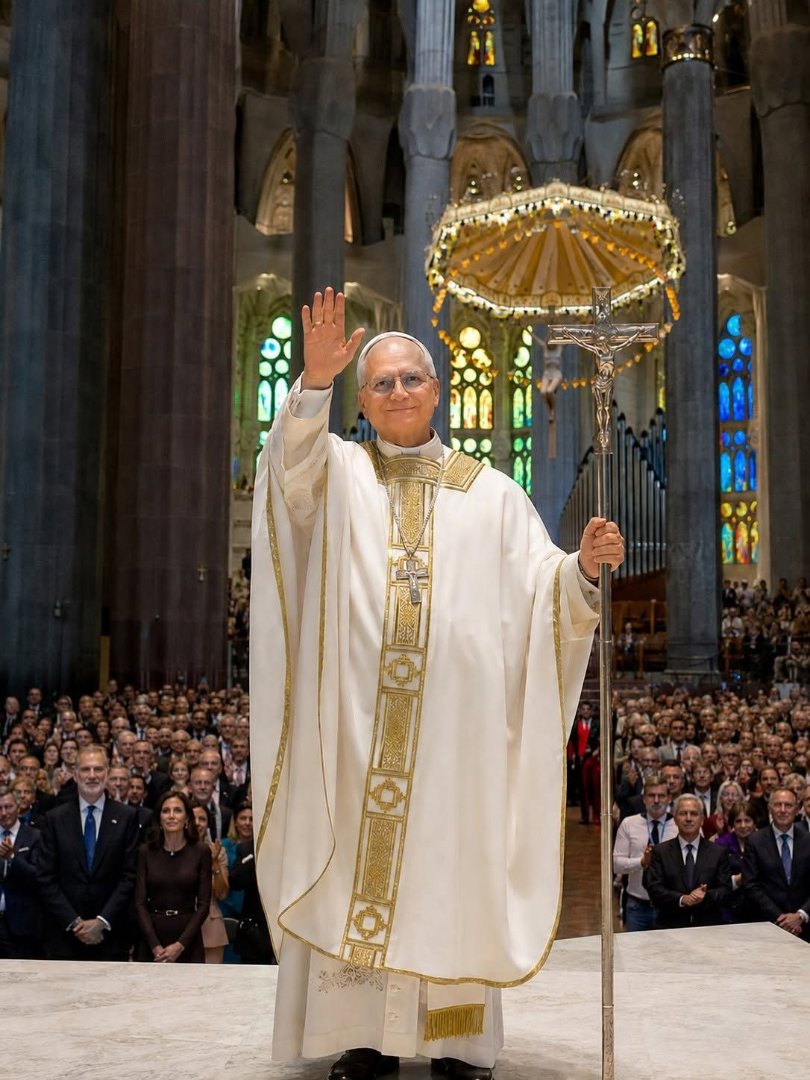
From the early hours of the morning, thousands of people gathered outside the monumental structure designed by the legendary architect Antoni Gaudí. Many had waited overnight to witness a moment that had been anticipated for generations. The atmosphere carried a sense of reverence, as if the city itself had paused to observe the completion of something far greater than stone and sculpture.
Inside the basilica, light filtered through stained glass in shifting colors, illuminating the vast interior where history and symbolism intersect. The presence of the Holy Father elevated the occasion into a global event, drawing attention from religious communities, cultural institutions, and observers worldwide.
Before the formal Mass began, Pope Leo XIV made a quiet, unannounced visit to the crypt of Antoni Gaudí. There, in silence, he prayed at the architect’s tomb — a moment described by those close to the ceremony as deeply reflective and solemn. It was a gesture that connected the spiritual purpose of the building with the vision of the man who devoted his life to its creation.
Gaudí’s legacy, once considered unfinished and even uncertain in its future, now stood fully realized in vertical form. The completion of the central tower marked not only an architectural achievement but also a symbolic fulfillment of a dream that survived war, time, and shifting generations.
As the Mass began, the scale of the gathering became fully apparent. Among the distinguished attendees were Spain’s royal figures, including King Felipe VI and Queen Letizia of Spain, seated among international dignitaries, clergy, architects, and representatives of cultural heritage organizations.
The ceremony unfolded with measured solemnity. Hymns echoed through the vast stone interior, rising toward the newly completed tower that now defines Barcelona’s skyline. The structure, reaching 172.5 meters into the sky, stood as a visual and symbolic culmination of more than a century of construction.
For many attendees, the emotional weight of the moment extended beyond religion. It represented continuity — a rare example of a modern world completing a vision born in the 19th century without losing its original artistic intent. The basilica, long described as a “living project,” finally reached a point of architectural completion while still preserving its evolving identity.
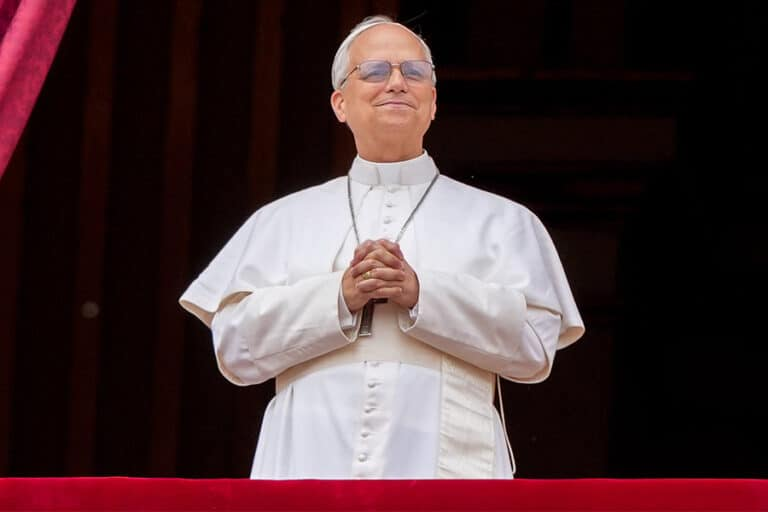
In his address, Pope Leo XIV emphasized themes of unity, perseverance, and shared cultural heritage. Without focusing on technical achievement alone, the tone of the message highlighted the human dimension of long-term creation — the generations of craftsmen, architects, and believers who contributed to the structure across time.
The blessing of the basilica marked a defining symbolic act. With it, the Sagrada Família transitioned from a monumental construction site into a completed global landmark, officially entering a new chapter in its history.
Outside, crowds reacted with a mixture of awe and emotional silence. Many described the moment when the final blessing was delivered as one of stillness, as if the entire city collectively paused to absorb the significance of what had just occurred.
The presence of Pope Leo XIV added an additional layer of global importance. His participation connected the basilica’s completion not only to Spain’s cultural identity but also to the broader spiritual landscape of the Catholic Church. The symbolism of a modern pontiff blessing a structure designed by Gaudí reinforced the bridge between tradition and contemporary faith.
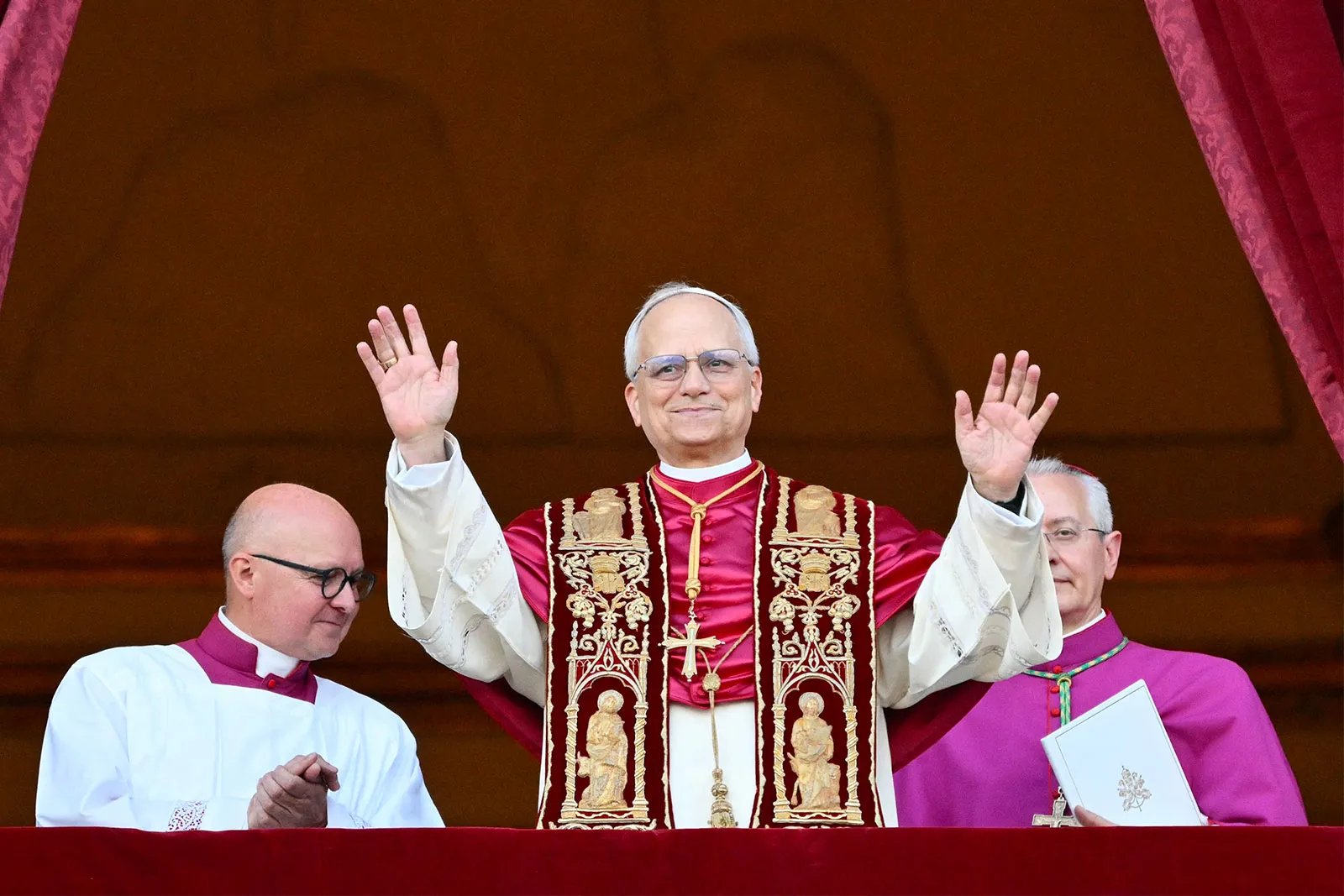
Meanwhile, the royal attendance of King Felipe VI and Queen Letizia of Spain underscored the national significance of the event. Their presence reflected the basilica’s role not just as a religious monument, but as a defining emblem of Spanish heritage and international recognition.
As the ceremony concluded, attention returned once more to the completed tower, now dominating the skyline with its final height. The 172.5-meter structure, dedicated to Jesus Christ, stands as the tallest completed church tower in the world — a physical expression of faith translated into architecture.
Yet beyond measurements and records, what remained most powerful was the sense of completion after more than a century of anticipation. Few architectural projects in modern history span so many generations, and fewer still reach completion while maintaining such symbolic fidelity to their original vision.
In the hours following the event, images of the blessing, the towering spires, and the gathered crowds spread rapidly across the world. For many, the moment represented more than the unveiling of a structure. It was a reminder of what sustained human effort can achieve over time when vision persists beyond individual lifetimes.
As Barcelona begins to adjust to its new skyline, the Sagrada Família now stands not as an unfinished masterpiece, but as a completed testament to artistic endurance and spiritual ambition.
And at its center, under the blessing of Pope Leo XIV, the basilica enters a new era — no longer becoming, but being: a finished symbol of faith, architecture, and history intertwined.
