VATICAN CITY — One year after his election as Supreme Pontiff of the Catholic Church, Pope Leo XIV has chosen not to celebrate the anniversary surrounded by ceremony inside the Vatican walls. Instead, he will leave Rome behind for a deeply symbolic apostolic journey to Pompeii and Naples — a decision already being described by many faithful Catholics as a reflection of the spiritual tone that has defined his first year as pope.
The timing of the journey carries profound meaning. May 8 coincides with the Feast Day of Our Lady of Pompeii, one of the most beloved Marian celebrations in Italy and across the Catholic world. Rather than marking the anniversary with political grandeur or institutional celebration, Pope Leo XIV appears determined to center the moment around prayer, humility, and closeness to ordinary believers. For many observers, the message is unmistakable: this papacy continues to place spiritual presence above spectacle.
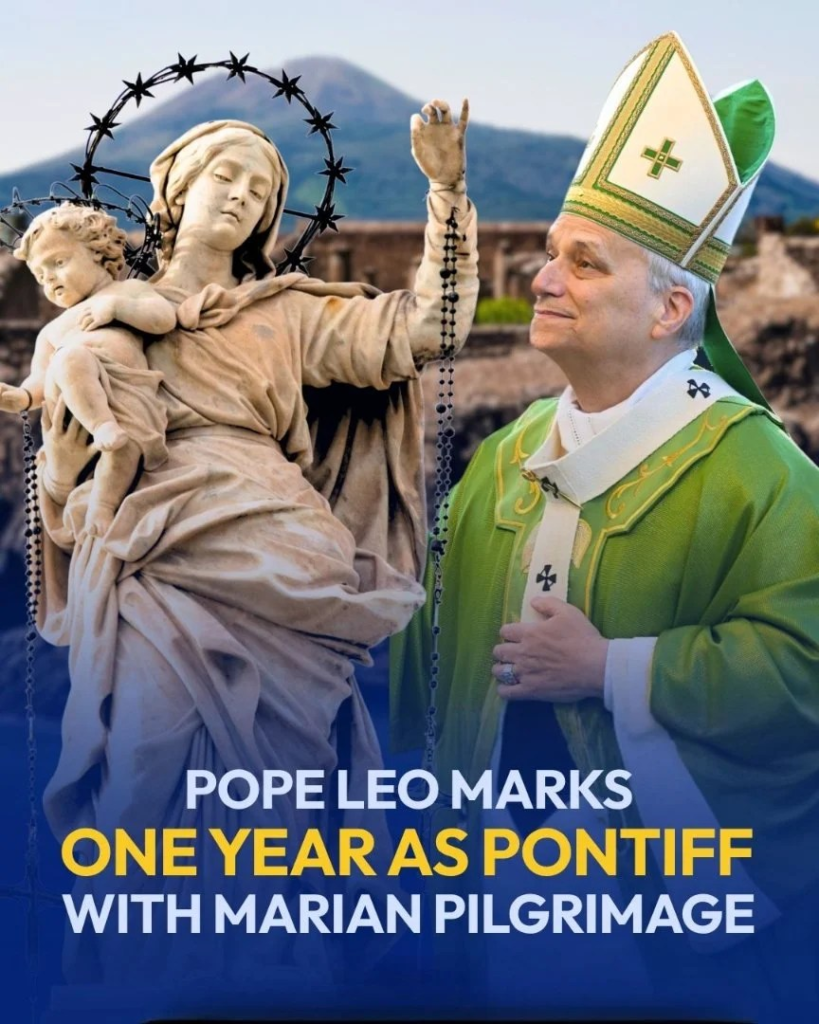
According to Vatican sources, the Holy Father’s pilgrimage will begin at the Pontifical Shrine of the Blessed Virgin of the Rosary of Pompeii, a place long associated with hope, healing, and Marian devotion. Pilgrims from across Italy are expected to gather there in extraordinary numbers, hoping not only to witness the Pope’s visit, but to share in a moment many already consider historic — the first anniversary of a pontificate still shaping its identity before the eyes of the world.
Those close to the Vatican say Pope Leo XIV specifically requested that the anniversary remain spiritually focused rather than ceremonial. Over the past year, he has repeatedly emphasized themes of simplicity, prayer, compassion, and personal encounter. His decision to spend this symbolic day among pilgrims instead of political dignitaries has already sparked emotional reactions among Catholics who see in the gesture a return to a more pastoral and human image of leadership within the Church.
The journey will also include prayer inside the Cathedral of the Assumption of Mary, where clergy members and faithful from across the region are expected to welcome him. Church officials describe the atmosphere surrounding the visit as deeply emotional, particularly because many local communities in southern Italy continue to face economic hardship, social uncertainty, and spiritual fatigue. For many believers, the Pope’s presence itself is being seen as a form of comfort and recognition.
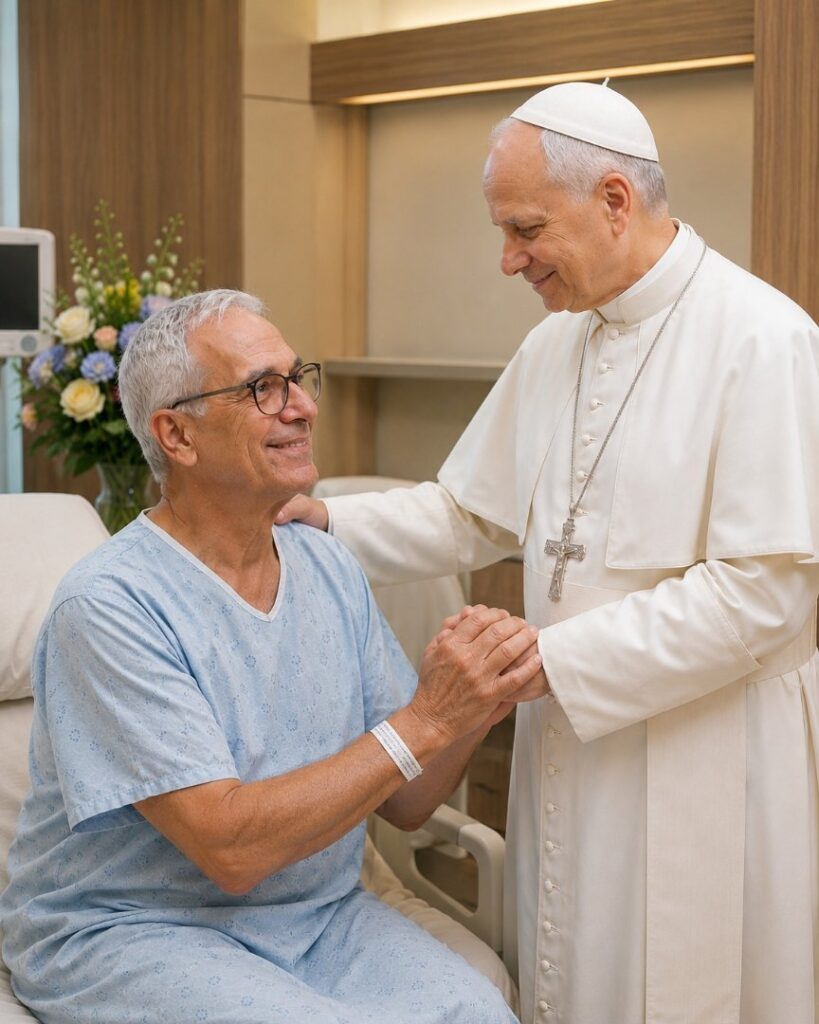
Later in the day, Pope Leo XIV is expected to visit the Basilica of St. Francis of Paola, one of Naples’ most spiritually significant religious sites. The visit is expected to include moments of silent prayer and reflection rather than grand public declarations. Vatican commentators suggest this reflects the broader tone of his papacy so far — less centered on dramatic gestures and more focused on symbolic acts capable of carrying deep spiritual meaning without the need for excessive words.
Throughout the past year, Pope Leo XIV has become known for his calm presence and measured tone during moments of global uncertainty. While still relatively early in his pontificate, many Catholics describe him as a figure attempting to reconnect the Church with themes of closeness, humility, and listening. Others see his leadership style as intentionally quieter, preferring personal encounter and spiritual reflection over political confrontation or institutional spectacle.
Social media reactions to the upcoming anniversary journey have already been intense and emotional. Messages from Catholics around the world describe admiration for the Pope’s decision to spend such an important milestone not celebrating himself, but praying alongside ordinary faithful people. Some users wrote that the pilgrimage feels less like a commemorative event and more like a reminder that spiritual leadership is often measured not by visibility, but by presence among those seeking hope.

Church historians also note the symbolic importance of Pompeii itself. Long associated with suffering, survival, faith, and rebirth, the city represents a powerful spiritual backdrop for a pope entering the second year of his pontificate. Many believe the decision was intentional — a reminder that even after destruction and uncertainty, faith communities can still rebuild themselves through prayer, resilience, and collective devotion passed down across generations.
As preparations continue, thousands are expected to line the streets of Pompeii and Naples, not simply to see the Pope, but to participate in a moment that feels larger than ceremony. There is a growing sense among the faithful that this journey represents something deeply personal about Pope Leo XIV’s vision for the Church — a Church that walks outward, remains close to suffering communities, and seeks spiritual renewal not through power, but through humility and prayer.
And as the bells ring across southern Italy on May 8, marking one year since his election, many believers may remember this anniversary not because of speeches or celebrations inside the Vatican, but because a pope chose to spend it walking among pilgrims, praying before the Virgin Mary, and reminding the world that sometimes the most powerful acts of leadership are the quietest ones of all.
